Aluminium extrusion enclosures are widely used in modern industrial and electronic applications due to their structural strength, flexibility in design, and excellent environmental protection. These enclosures are created through an extrusion process that shapes aluminium into precise profiles, which are then assembled into durable housing systems for sensitive components.
Working with an experienced aluminium enclosure manufacturer ensures that extrusion-based designs are engineered for performance, durability, and adaptability across a wide range of applications. An aluminium extrusion enclosure offers significant advantages in customization and structural efficiency, making it a preferred choice in industries such as automation, telecommunications, and power systems.
What Is an Aluminium Extrusion Enclosure?
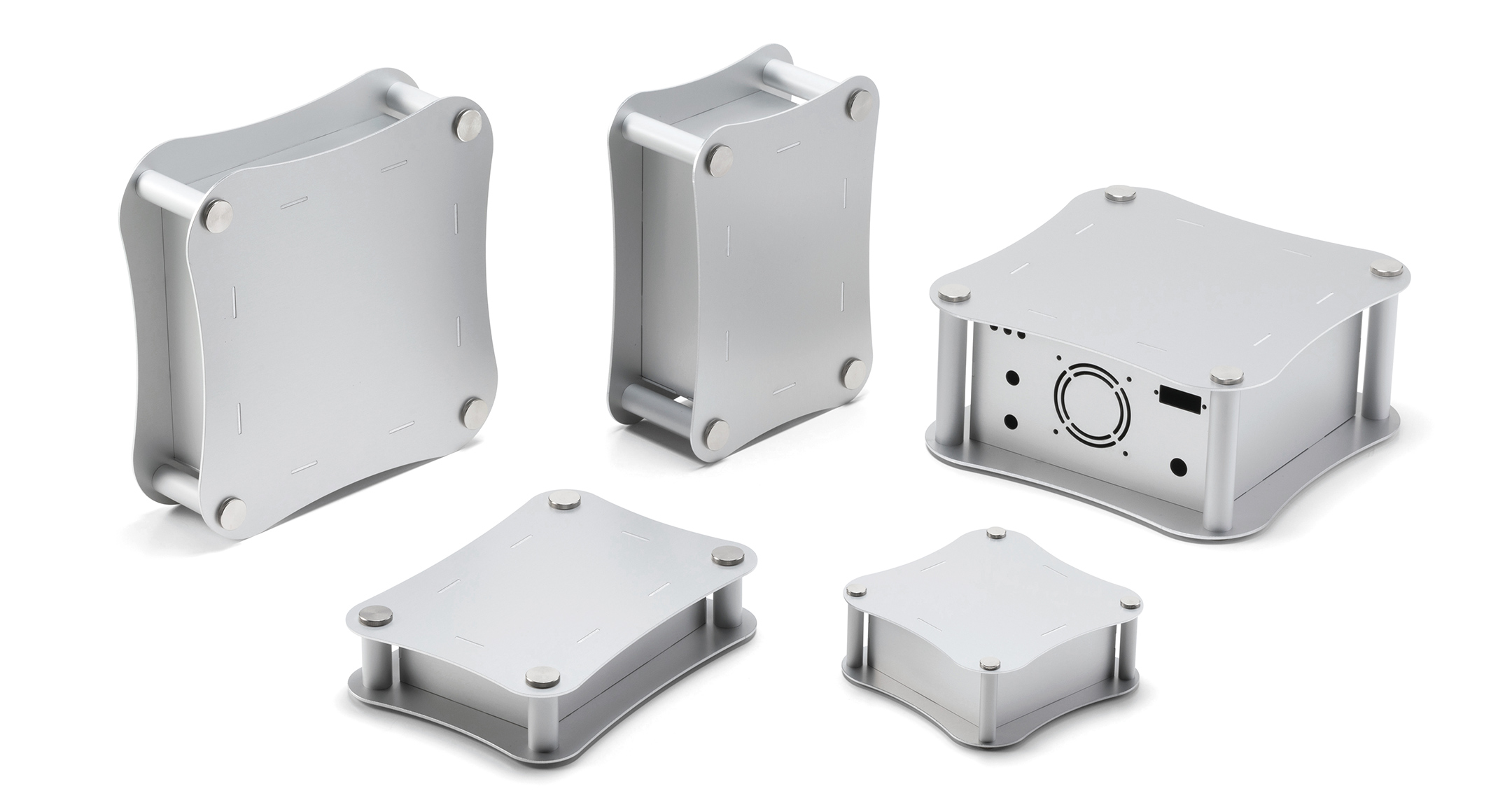
An aluminium extrusion enclosure is made from extruded aluminium profiles that are cut, machined, and assembled into a protective housing. Unlike traditional enclosures made from sheet metal, extrusion-based designs provide greater flexibility in structure and configuration.
These enclosures are commonly used for:
- Electronic control systems
- Industrial automation equipment
- Communication devices
- Power distribution units
- Measurement and instrumentation systems
Their modular nature allows manufacturers to adapt designs based on specific engineering requirements.
The Aluminium Extrusion Process
The extrusion process is the foundation of these enclosures. It involves shaping heated aluminium through a die to create continuous profiles with uniform cross-sections.
Key steps include:
- Heating aluminium billets to a malleable state
- Forcing material through a shaped die
- Cooling and straightening extruded profiles
- Cutting profiles into required lengths
- Preparing for machining and assembly
This process allows for consistent quality and highly precise structural components.
Design Flexibility and Modular Construction
One of the biggest advantages of extrusion enclosures is design flexibility. Manufacturers can create modular systems that are easy to modify, expand, or integrate into larger assemblies.
Design benefits include:
- Easy customization of dimensions and layouts
- Modular assembly with interchangeable parts
- Compatibility with internal mounting systems
- Flexible integration of connectors and interfaces
This makes extrusion enclosures ideal for evolving industrial systems that may require future upgrades or modifications.
Engineering Benefits of Extrusion-Based Designs
Aluminium extrusion enclosures offer several engineering advantages that improve both performance and usability. Their structural integrity and thermal properties make them suitable for demanding environments.
Key engineering benefits include:
- High strength-to-weight ratio for structural efficiency
- Excellent heat dissipation for electronic components
- Improved vibration resistance in industrial settings
- Reduced material waste during production
- Consistent dimensional accuracy across batches
These benefits contribute to improved system reliability and long-term operational stability.
Customization Capabilities
A major advantage of working with extrusion-based systems is the ability to customize designs for specific applications. Manufacturers can modify profiles and add features based on client requirements.
Common customization options include:
- Special cutouts for ports and connectors
- Internal partitions for component separation
- Custom mounting rails and brackets
- Surface finishing such as anodizing or powder coating
- EMI shielding enhancements for sensitive electronics
These features ensure that enclosures are optimized for both function and performance.
Thermal Management Advantages
Heat management is a critical factor in electronic and industrial systems. Aluminium extrusion enclosures naturally support thermal efficiency due to the conductive properties of aluminium.
Thermal benefits include:
- Efficient heat dissipation from internal components
- Reduced risk of overheating in compact systems
- Compatibility with heat sinks and ventilation designs
- Improved performance of high-power electronics
This makes extrusion enclosures particularly useful in power electronics and automation systems.
Durability and Environmental Protection
Extrusion enclosures are designed to withstand challenging environmental conditions. Their robust construction and surface treatment options enhance durability and resistance to external factors.
Durability features include:
- Corrosion-resistant aluminium alloys
- Protective anodized or coated surfaces
- Sealed designs for dust and moisture protection
- Resistance to mechanical impact and vibration
These properties make them suitable for both indoor and outdoor industrial applications.
Manufacturing Precision and Quality Control
Precision manufacturing is essential in ensuring the performance of extrusion enclosures. High-quality production processes help maintain tight tolerances and consistent structural integrity.
Manufacturing practices include:
- CNC machining for accurate component shaping
- Laser cutting for precise detailing
- Strict dimensional inspection processes
- Performance testing for durability and sealing
A professional aluminium enclosure manufacturer ensures that every enclosure meets strict quality and performance standards.
Conclusion
Aluminium extrusion enclosures offer a powerful combination of flexibility, strength, and thermal efficiency, making them ideal for a wide range of industrial and electronic applications. Their modular design and engineering advantages allow for highly customized and reliable enclosure solutions.
By working with an experienced aluminium enclosure manufacturer, businesses can ensure that extrusion-based systems are designed and produced with precision, durability, and long-term performance in mind. As industrial systems continue to evolve, aluminium extrusion technology will remain a key solution for modern enclosure engineering.